Reviewing Addition Wheel 15 for Real Embroidery Projects
As a designer who spends more time staring at stitch maps than actual fabric, I have learned that the difference between a good machine embroidery design and a great one often comes down to context. We do not just stitch files; we solve visual problems for clients, create heirlooms for families, and build brands for small businesses. When I first pulled up Addition Wheel 15 on my screen, I was not looking for complexity. I was looking for clarity, charm, and utility. This design falls squarely into the School category, but its application extends far beyond the classroom walls. Here is my honest assessment of how this design performs in real-world Embroidery scenarios.
First Impressions: Mood and Visual Personality
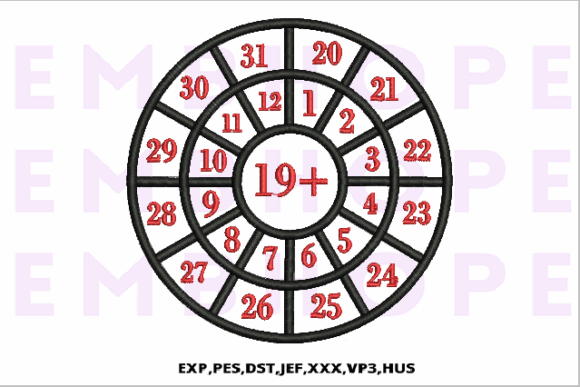
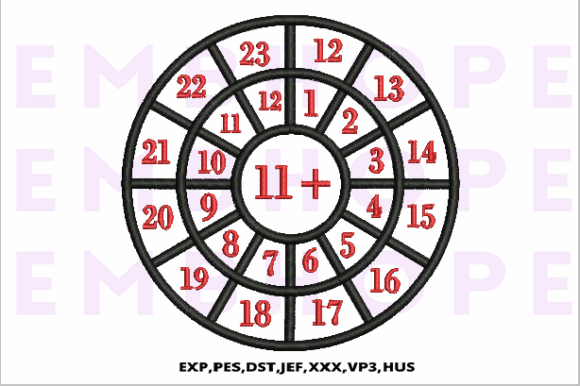
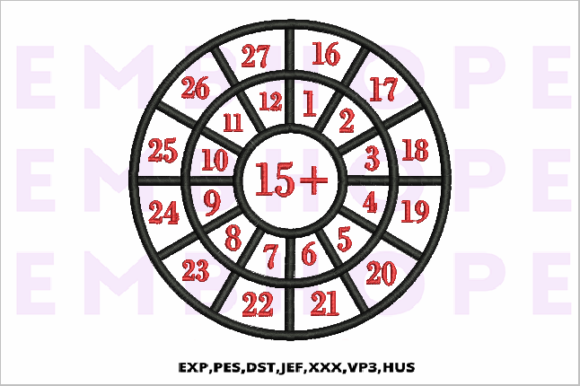
The immediate impression of Addition Wheel 15 is one of approachable education. It is bright, cheery, and structured. The layout suggests a tool for learning, likely featuring numbers or mathematical symbols arranged in a circular or wheel-like format. For an experienced eye, the "wheel" concept is intriguing because circles can be tricky to hoop and stitch without distortion. However, the description promises a fun way to encourage kids to practice maths, which tells me the aesthetic is playful rather than rigidly academic.
The visual personality here is key. It is not trying to be high-fashion or abstract. It is functional art. This makes it an ideal candidate for projects where the end-user needs to engage with the content, such as educational tools, children’s apparel, or interactive decor. The design feels like it belongs in a space of growth and learning, making it a strong asset for anyone creating products for early childhood education or home schooling environments.
Real-World Application: From Classroom to Closet
Let us move from theory to practice. I recently considered using a similar educational motif for a custom order involving a set of personalized tote bags for a local library’s summer reading program. While Addition Wheel 15 is math-focused, the principle of applying educational graphics to functional items holds true. Imagine stitching this design onto a canvas tote bag design. The circular nature of the wheel draws the eye to the center, making it a natural focal point.
Beyond bags, consider sweatshirt embroidery. A crewneck sweatshirt with this design on the left chest or centered on the back becomes a statement piece for a young student. It transforms a basic garment into a personalized gift that parents appreciate for its dual purpose: style and subtle educational reinforcement. For Etsy sellers and craft business owners, this versatility is gold. You are not just selling a stitch file; you are selling a solution for back-to-school outfits, teacher appreciation gifts, or nursery decor that doubles as a learning aid.
I also see potential in baby embroidery projects. While the math concept might be advanced for infants, the bright colors and geometric shapes are visually stimulating. Stitched onto a bib or a burp cloth, it serves as a colorful accent. However, one must be mindful of the target age group. This design shines brightest for toddlers and early elementary ages, where number recognition is beginning.
Technical Considerations and Stitching Performance
When evaluating any digital embroidery file, I look at how it will behave under the needle. Circular designs like wheels require careful attention to hoop size. If the design is large, you need a hoop that supports the entire circumference without excessive re-hooping, which can lead to alignment issues. For Addition Wheel 15, I recommend checking the specific dimensions provided in the file package before committing to a project.
Stitch density is another critical factor. Educational designs often include small text or numbers. If the stitch density is too high in these small areas, the threads can merge, turning distinct numbers into an illegible blob. Conversely, if the density is too low, the fabric may show through, reducing contrast. I advise testing the design on scrap fabric similar to your final material. Look closely at the tiny details. Are the numbers crisp? Is the spacing between elements sufficient?
The type of stitch used matters immensely. A well-digitized wheel will likely use a combination of satin stitch for borders or outlines and fill stitch for larger colored areas. Running stitch might be used for fine details or internal lines. If the design relies heavily on satin stitch for the wheel segments, ensure your tension is perfectly balanced to prevent puckering, especially on lighter fabrics.
Fabric Selection and Stabilizer Strategy
Not all fabrics are created equal, and Addition Wheel 15 will look different on each. For a finished product like a classroom poster or wall hanging, a sturdy cotton or linen blend works best. These fabrics provide a stable base for the stitches and minimize distortion. For custom apparel like t-shirts, you are dealing with stretchy knits. Here, a cut-away stabilizer is non-negotiable. It provides the necessary support to keep the wheel shape intact after washing and wearing.
Be cautious with textured fabrics. If you stitch this on a fluffy towel or a rough canvas, the fine details of the numbers might get lost in the pile or weave. In such cases, consider using an applique design technique if the file allows, or choose high-contrast thread colors to ensure legibility. Dark fabrics present another challenge. If the design includes light-colored elements, ensure the digitizing includes an underlay that prevents the dark fabric from peeking through the top stitches.
Commercial Viability and Brand Consistency
For small shop product creators, consistency is key. If you are building a brand around educational tools, Addition Wheel 15 fits seamlessly into a broader collection. It can be paired with other math or literacy designs to create cohesive sets. This increases the perceived value of your design assets and encourages bulk purchases from customers.
When creating printable mockup images for your online store, remember to showcase the design in context. Show it on a child’s backpack, a teacher’s apron, or a study nook pillow. This helps buyers visualize the embroidery project in their own lives. High-quality photos that highlight the texture of the stitches and the vibrancy of the thread colors build trust and drive engagement.
However, always verify licensing terms. Just because a design is labeled for commercial embroidery does not mean you can resell the file itself. Typically, you are licensed to sell the handmade product created with the file. Confirm these details with the designer to protect your business.
Final Verdict and Designer Notes
Addition Wheel 15 is a solid addition to any designer’s library focused on children’s or educational themes. It is not just a decorative element; it is a functional graphic that adds value to the items it adorns. To get the best results:
- Test first: Always stitch a sample on your intended fabric.
- Check contrast: Ensure thread colors stand out against the background.
- Use proper stabilizer: Match the stabilizer to the fabric weight and stretch.
- Verify details: Zoom in on the digitizing to check for potential jump stitches or dense areas.
- Consider the audience: This design is best suited for young learners and educational settings.
In conclusion, this design offers a practical, cheerful solution for those looking to add an educational touch to their embroidery work. Whether you are creating a single personalized gift or a line of small business merchandise, Addition Wheel 15 provides the clarity and charm needed to make a positive impact. Treat it with the technical respect it deserves, and it will serve your projects well.