Seven Number: A Designer’s Review for Real-World Embroidery Projects
As an embroidery designer who spends more time staring at stitch maps than finished garments, I have learned that the true test of a machine embroidery design is not how it looks on a screen, but how it behaves under the needle. When I first pulled up the Seven Number file, my initial reaction was one of cautious optimism. In the world of School themed Embroidery, numeric designs are often either too simplistic to hold visual interest or so complex that they become a nightmare to stitch out cleanly. This particular design, however, strikes a balance that suggests it was built with practical application in mind.
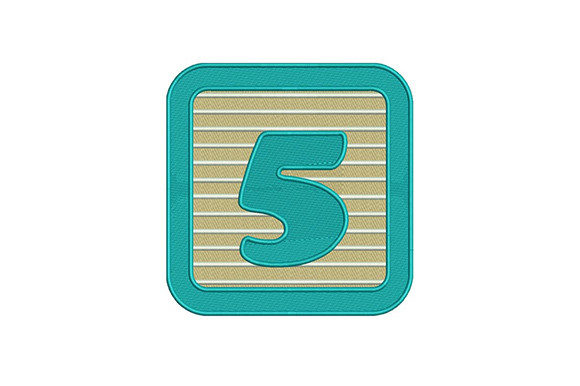
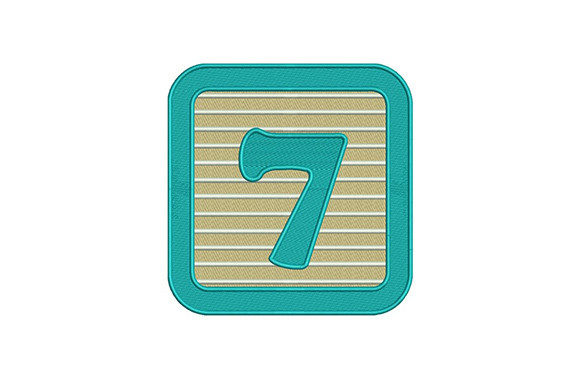
The design utilizes three thread colors, which is a smart constraint. In my experience, limiting the palette forces the digitizer to rely on shape and texture rather than relying on excessive color changes to define the image. For a reviewer like me, this signals a focus on clarity. The layout feels intentional, avoiding the cluttered look that plagues many digital assets found in crowded marketplaces. It creates a mood that is both structured and playful, making it versatile enough for serious academic branding or lighthearted personalized gifts.
First Impressions and Visual Personality
The immediate visual personality of Seven Number is clean and legible. When evaluating a design for real project use, I look for strong silhouettes. If you shrink the image down to the size of a thumbnail, can you still tell what it is? With this design, the answer is yes. The lines appear crisp, suggesting well-placed satin stitches or tight fill areas that will resist fraying over time. This is crucial for items that will see frequent handling, such as backpacks or daily-use apparel.
The three-color scheme allows for creative flexibility. You are not locked into a specific school colorway. This makes the embroidery file highly adaptable for various clients. Whether you are stitching for a sports team, a classroom reward system, or a custom birthday gift, the ability to swap thread colors without losing the integrity of the design is a significant advantage. It feels less like a rigid template and more like a flexible design asset ready for customization.
Real-World Application: The Custom Tote Bag Test
To truly understand the value of Seven Number, I mentally placed it into a common real-life scenario: a custom embroidered tote bag for a teacher appreciation gift. Tote bags are typically made from canvas or heavy cotton, fabrics that can be unforgiving if the stitch density is too high or the registration is off.
In this context, the design performs well. The numeric form is bold enough to stand out against the textured weave of a canvas bag. Because it uses only three colors, the stitch count is likely manageable, reducing the risk of fabric puckering—a common issue with dense designs on lighter materials. For an Etsy seller or craft business owner, this reliability translates to fewer ruined blanks and higher customer satisfaction. The design lends itself naturally to a personalized gift aesthetic, where the number could represent a grade level, a jersey number, or simply a lucky digit.
Beyond tote bags, this design would excel on sweatshirt embroidery projects. The soft, looped surface of fleece requires designs that do not pull too tightly. The apparent structure of Seven Number suggests it would sit nicely on a chest pocket or sleeve without distorting the garment. It also fits seamlessly into baby embroidery contexts, such as marking height milestones or age markers on onesies, provided the hoop size is appropriate for the small scale.
Navigating Technical Challenges and Fabric Choices
While the design is robust, no digital embroidery file is universal. There are specific scenarios where caution is required. For instance, using this on stretchy fabrics like performance tees or thin rayon blends demands careful attention to stabilization. If the stitch density is high in certain areas, the fabric may tunnel or pucker if not properly backed with a cut-away stabilizer.
Additionally, when working with dark fabrics, the three-color limitation becomes a strategic consideration. You must ensure high contrast between the thread colors and the background material. A low-contrast combination could render the details of the number invisible from a distance. I always recommend testing the design on scrap fabric first, specifically checking how the transitions between the three colors register. Misalignment, even by a millimeter, can be noticeable in numeric designs where precision is expected.
Curved surfaces, such as caps or hats, present another challenge. While Seven Number appears flat and straightforward, stitching on a curved brim requires adjusting the pull compensation. If you are new to commercial embroidery on headwear, start with a test run on a similar cap structure to ensure the design does not distort along the curve. The clean lines of the design help here, as there are fewer intricate corners to snag or bunch up compared to more ornate alphabets or illustrations.
Enhancing Product Value and Brand Consistency
From a business perspective, the quality of your design assets directly impacts perceived value. A clean, professional-looking number like Seven Number elevates the finished product. It signals to the buyer that care was taken in the selection and execution of the design. This builds trust, which is essential for small shop product success and repeat customers.
For those creating printable mockup images for online listings, this design photographs well. Its clear definition ensures that it looks sharp in digital previews, helping to drive engagement and clicks. Whether you are selling custom apparel, embroidered patches, or home decor like pillow covers, the versatility of the design allows for consistent branding across different product lines. It avoids looking trendy in a way that will date quickly, offering a timeless appeal that supports long-term inventory stability.
Practical Notes for the Embroidery Designer
Before committing to a large production run or listing this as a premium item, there are several practical steps every designer should take. First, verify the specific file formats included. The description lists a wide array, including DST, PES, JEF, and VIP, among others. Ensure your machine reads the specific format you choose, as conversion can sometimes alter stitch paths.
Second, check the license terms. While many designs allow for commercial use on physical items, restrictions may apply to reselling the digital file itself. Always confirm these details to protect your craft business legally. Third, experiment with thread types. A matte rayon might give a softer, more traditional look, while polyester could offer durability and sheen for items that will be washed frequently, such as holiday embroidery gifts or kitchen towels.
Finally, consider the hoop size. Although exact dimensions were not specified in the brief, numeric designs often come in multiple sizes. Choose the size that best fits your intended application. A smaller hoop might be perfect for a cuff detail, while a larger one suits a back panel. By treating Seven Number as a flexible component of your design toolkit rather than a static image, you unlock its full potential for creating high-quality, professional-grade embroidery projects.