Addition Wheel 19: A Designer’s Review for School Projects
As an embroidery designer who spends countless hours digitizing and testing files, I am always on the lookout for designs that bridge the gap between educational utility and aesthetic charm. When I first encountered Addition Wheel 19 on Creative Fabrica, my immediate interest was piqued by its potential for the School category. This is not just another generic alphabet set; it is a specialized tool designed to make mathematics engaging for young learners. In this review, I will break down how this machine embroidery design performs in real-world applications, from classroom decor to custom apparel for small business owners.
First Impressions: Visual Mood and Stitching Personality
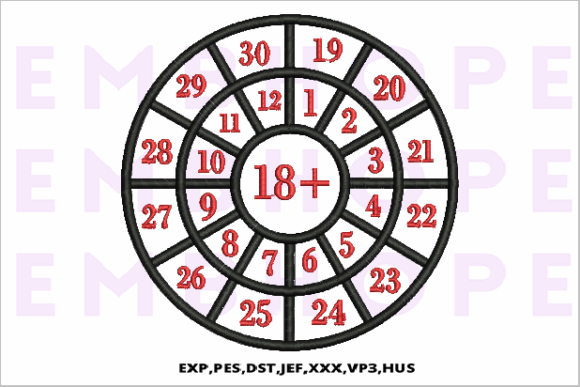
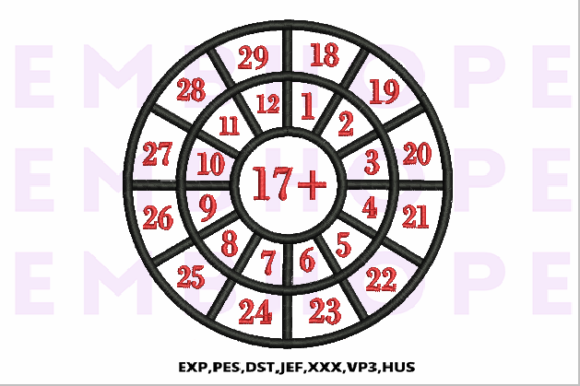
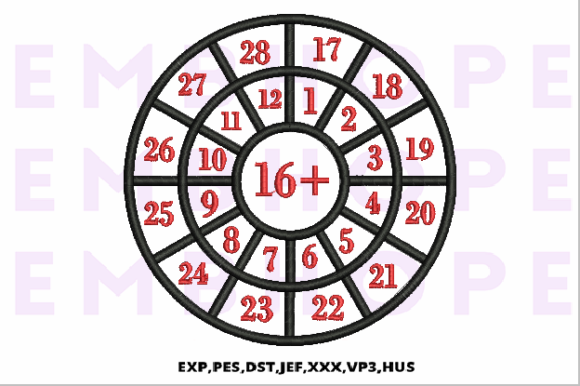
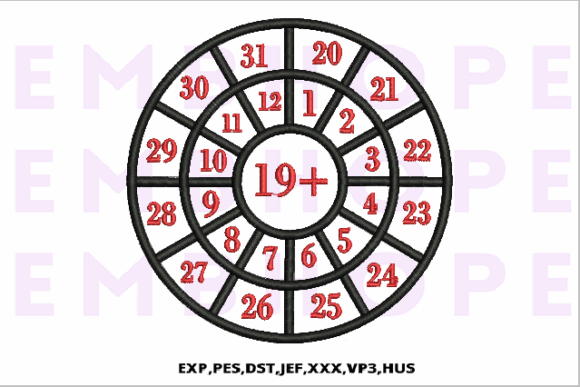
The visual mood of Addition Wheel 19 is undeniably bright and cheery. The description promises a fun way to encourage kids to practice maths, and the design delivers on that premise through its vibrant structure. Upon closer inspection of the preview images, the stitching personality appears clean and structured. It avoids the overly complex, dense fills that can sometimes plague educational designs, opting instead for a look that is legible and inviting.
For embroidery designers, the appeal lies in the balance between detail and simplicity. The wheel format suggests a circular composition, which is inherently pleasing to the eye and works well within standard hoop sizes. The decorative appeal is strong because it transforms a dry mathematical concept into a colorful visual aid. This makes it an ideal candidate for projects where clarity is paramount, such as items intended for early childhood education environments.
Real-World Applications for Handmade Products
When considering Addition Wheel 19 for commercial use, the versatility of the design becomes apparent. Here is how I envision this embroidery file fitting into various product lines for Etsy sellers and crafters:
- Classroom Decor and Teacher Gifts: This is the most obvious application. Embroidered onto tote bags or aprons, these wheels make thoughtful gifts for teachers who value both style and function in their classrooms.
- Custom Apparel for Kids: Imagine a sweatshirt or a polo shirt featuring a single, well-placed addition wheel. It serves as a conversation starter and a subtle learning tool. For custom apparel, the design’s cheerful nature appeals to parents looking for unique, educational clothing options.
- Educational Patches and Badges: The circular nature of the wheel makes it perfect for an embroidered patch. These can be ironed or sewn onto backpacks, pencil cases, or jackets, allowing children to wear their love for learning proudly.
- Nursery and Playroom Decor: Beyond the classroom, this design fits seamlessly into home schooling spaces. Embroidered onto pillow covers or wall hangings, it adds a pop of color and intellectual curiosity to a child’s room.
For those selling handmade products, the key is positioning. This is not just a design; it is a resource for learning. Highlighting this angle in your product photography and descriptions can significantly enhance buyer trust and engagement.
Technical Considerations for Embroidery Success
While the design looks promising, successful execution depends on technical precision. As with any digital embroidery file, there are specific factors to consider before hitting the start button on your machine.
Fabric Selection and Stabilization
Given the likely use in educational settings, durability is key. Items like tote bag design prototypes or aprons will undergo frequent washing. Therefore, choosing the right stabilizer is critical. For woven fabrics like cotton twill or canvas, a cut-away stabilizer is recommended to prevent distortion over time. If you are embroidering on stretchy fabric, such as a jersey knit for a t-shirt, ensure you use a high-quality tear-away or cut-away stabilizer specifically designed for knits to maintain the integrity of the satin stitch and fill stitch elements.
Hoop Size and Placement
The description does not specify the exact dimensions, so it is vital to check the product details on the Creative Fabrica page before purchasing. However, assuming a standard wheel size, it should fit comfortably in a 4x4 or 5x7 hoop. If you are working with smaller hoop sizes, ensure the design scales down without losing legibility. Tiny lettering or numbers within the wheel can become illegible if the design is reduced too much. Always run a test stitch on scrap fabric to confirm that the stitch density allows for clear reading of the numbers and symbols.
Thread Colors and Contrast
The "bright and cheery" description suggests a multi-color palette. To maximize visual appeal, pay close attention to thread color contrast. If you are embroidering on dark fabric, consider using lighter, vibrant threads to ensure the design pops. Conversely, on light fabrics, bold primary colors will stand out effectively. For a more subdued, boutique look, you might experiment with tonal threads, but keep in mind that the educational purpose relies on clarity. High contrast is generally better for this type of School themed Embroidery.
Enhancing Product Value and Brand Consistency
Incorporating Addition Wheel 19 into your product line can elevate your brand’s perceived value. By offering items that are both decorative and functional, you appeal to a niche market of parents and educators who prioritize developmental tools. This specificity helps in building brand consistency. If your shop focuses on educational or child-centric goods, this design aligns perfectly with that narrative.
Furthermore, the visual appeal of a well-executed embroidery project cannot be overstated. Clean stitches, proper tension, and vibrant colors contribute to a professional finish that encourages customer engagement. When you present a finished product like a neatly embroidered math wheel on a high-quality tote bag, it signals craftsmanship and attention to detail. This builds buyer trust and can lead to repeat customers and positive reviews.
Practical Steps Before Commercial Use
Before integrating Addition Wheel 19 into your commercial workflow, follow these practical steps:
- Verify Licensing: Always confirm the license terms on the Creative Fabrica product page. Ensure that the license covers the number of physical items you plan to sell. Most Creative Fabrica licenses are generous, but it is essential to be certain.
- Test on Scrap Fabric: Never skip the test stitch. Use the same fabric and stabilizer combination you intend to use for the final product. Check for puckering, thread breaks, or registration issues.
- Inspect Small Details: After stitching, inspect the small numbers and symbols within the wheel. Are they clear? Is there any thread nesting that obscures the details? If so, you may need to adjust your machine’s tension or trim threads more carefully.
- Create Printable Mockups: Use digital mockups to visualize how the design looks on different products. This helps in creating compelling listings for your online store without having to physically produce every variation immediately.
- Check File Compatibility: Ensure the downloaded design assets include the file formats compatible with your embroidery machine. Common formats include PES, DST, and JEF. If your specific format is missing, check if the seller offers conversion services or use reliable software to convert the file.
In conclusion, Addition Wheel 19 is a promising addition to any embroidery designer’s library, particularly for those targeting the educational market. Its bright, cheery aesthetic and practical application make it a versatile choice for a variety of handmade gifts and commercial products. By paying attention to technical details like stabilizer choice, thread contrast, and hoop size, you can ensure that your finished items are not only beautiful but also durable and effective. Whether you are creating sweatshirt embroidery for a local school fundraiser or designing unique patches for an Etsy shop, this design offers a solid foundation for creative and meaningful projects.