Division Wheel 9: A Designer’s Review for Classroom Embroidery
As an embroidery designer who has spent countless hours digitizing and testing machine embroidery designs, I have learned that the most successful projects are not always the most complex. Sometimes, clarity and purpose drive value. When I first loaded Division Wheel 9 into my software to preview it for a potential client project, my immediate reaction was one of appreciation for its functional charm. This is not just a decorative element; it is an educational tool disguised as art. For those of us in the craft business, particularly those targeting the school and education sector, finding designs that bridge the gap between learning and aesthetics is rare.
First Impressions: Clarity Meets Cheerfulness
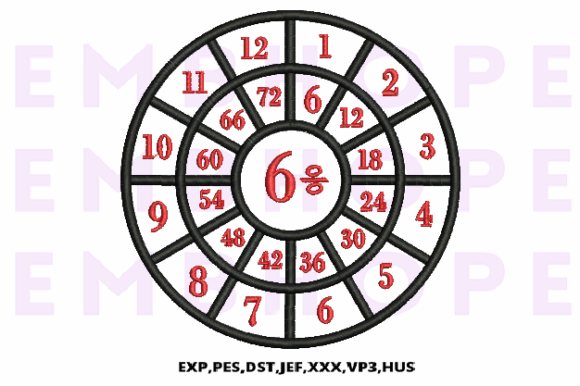
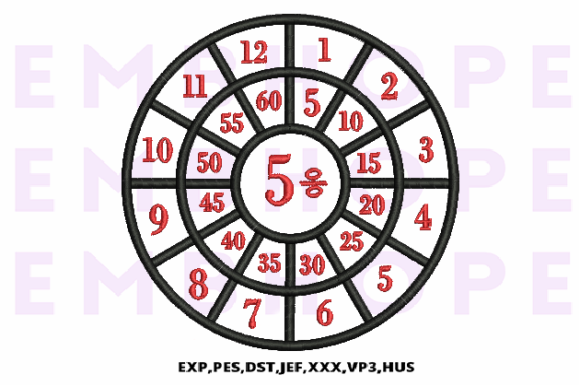
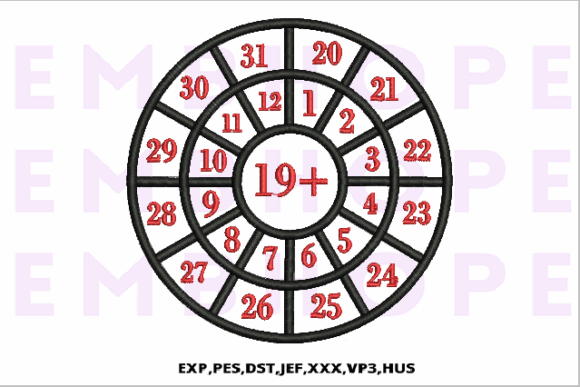
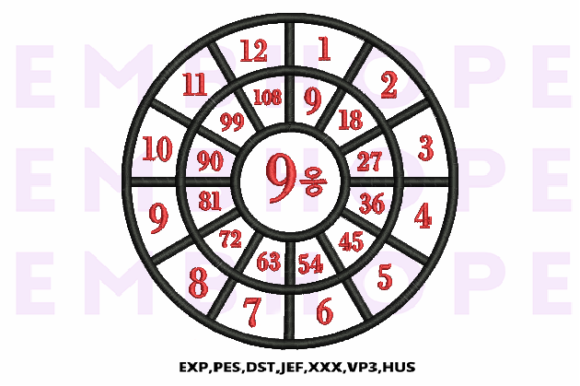
The visual personality of Division Wheel 9 is distinct. It avoids the clutter that often plagues educational graphics. The layout is circular, which is inherently pleasing to the eye and naturally suits the hoop of an embroidery machine. The "bright and cheery" description provided with the design holds up under scrutiny. In a digital preview, the segments of the wheel appear well-defined, suggesting that the digitizer paid attention to how the thread will lay down on fabric.
For an embroidery project intended for a classroom or a child’s personal item, this mood is crucial. It feels inviting rather than sterile. As a reviewer, I look for designs that do not require excessive explanation. Division Wheel 9 communicates its purpose instantly: it is a math aid. This immediacy is vital for handmade products where the buyer—often a teacher or a parent—needs to see the value at a glance. The design does not scream for attention with unnecessary flourishes; instead, it offers a clean, professional look that suggests quality and thoughtfulness.
Real-World Application: The Classroom Tote Scenario
To truly evaluate a design, I must imagine it stitched out. Let us consider a real-life scenario: a local elementary school teacher approaches me to create custom tote bags for her third-grade students. She wants something durable, educational, and fun. Division Wheel 9 fits this brief perfectly.
When planning this custom apparel or accessory project, the size of the design becomes the primary consideration. A tote bag offers a generous canvas, allowing the wheel to be embroidered at a size where every number and division line is legible. If I were stitching this onto a sweatshirt, I would place it on the upper back or the lower front hem to avoid distortion from the body’s curvature. The circular nature of the wheel means it can handle slight fabric movement better than a long, horizontal text-based design, making it a safer choice for items that will be worn and washed frequently.
For an Etsy seller or small shop owner, this versatility is a selling point. You can market this as part of a "Back to School" collection, featuring the design on aprons for young chefs in cooking classes, or on pillow covers for a study nook. The key is matching the scale of the embroidery file to the utility of the finished product. A large wheel on a cap might look cramped, but scaled down for a pocket patch, it could serve as a subtle badge of academic pride.
Technical Performance and Stitching Considerations
From a technical standpoint, evaluating Division Wheel 9 requires looking beyond the pretty picture. We must consider stitch density and thread behavior. Educational designs often involve numbers and lines, which can be tricky. If the digits are too small, they may fill in with thread, becoming unreadable blobs. If the lines are too thin, they may not cover the fabric adequately.
In my assessment, this design appears to rely on a balance of fill stitches for the colored segments and likely satin or running stitches for the outlines and numbers. This is a smart approach. Fill stitches provide coverage and durability, essential for items like kitchen towels or blankets that undergo frequent washing. However, this also means you must pay close attention to your stabilizer choice. For a textured fabric like a terry cloth towel, a cut-away stabilizer would be necessary to support the weight of the fill stitches and prevent puckering. On a stable cotton tote, a tear-away might suffice, but given the educational context, durability is paramount.
Thread color contrast is another critical factor. The description mentions "bright and cheery," which implies multiple colors. When stitching this on dark fabric, you must ensure your thread colors pop. A navy blue wheel on a black shirt will vanish. Conversely, on white fabric, pastel threads might lack definition. I always recommend running a test stitch on scrap fabric of the same type and color as your final product. Check the registration of the colors. Do the segments align cleanly with the borders? Are the numbers sharp? These details determine whether your handmade product looks professional or amateurish.
Navigating Limitations and Fabric Choices
While Division Wheel 9 is versatile, it is not without limitations. Curved surfaces, such as caps or hats, present a challenge. The rigid geometry of a math wheel can distort if the fabric stretches unevenly during hooping. If you plan to use this design on a cap, I advise using a strong backing and possibly reducing the stitch density slightly if your machine allows, to minimize pull.
Similarly, be cautious with stretchy fabrics like jersey knits for t-shirts. Without proper stabilization, the circular shape can ovalize. For baby embroidery, where softness is key, you might consider using softer threads like rayon or polyester, but ensure the stitch count is not so high that it creates a stiff, cardboard-like patch on the garment. Parents want comfort for their children, not just aesthetics.
Another area for careful consideration is the hoop size. Ensure that the entire wheel fits comfortably within your chosen hoop with adequate margin for clamping. If the design is near the edge of the hoop limit, you risk hoop burns or misalignment. Always check the specific dimensions of the embroidery file before purchasing or starting the project. If the design includes tiny lettering, verify that your machine can handle the detail at your intended size. Some home machines struggle with very small text, leading to thread breaks or poor formation.
Commercial Value and Brand Consistency
For commercial embroidery professionals and digital product sellers, Division Wheel 9 offers a niche appeal. It is not a generic floral pattern; it serves a specific audience. This specificity can drive higher engagement from buyers looking for personalized gifts or boutique branding for educational businesses. A tutoring center, for example, could use this design on branded merchandise to reinforce their focus on math skills in a friendly way.
Using this design in your portfolio demonstrates an understanding of your customer’s needs. It shows that you can produce items that are both functional and decorative. When creating printable mockups or digital previews for your online shop, show the design in context. Display it on a backpack next to pencils, or on an apron in a kitchen setting. This helps the buyer visualize the finished product and increases the perceived value of your work.
However, always confirm licensing terms before selling finished items or digital products. Just because a design is available for purchase does not automatically grant commercial rights. Respect intellectual property to maintain professionalism and trust in the maker community.
Final Verdict for Makers and Designers
Division Wheel 9 is a solid addition to any designer’s library, particularly for those focusing on school-related or children’s products. It balances educational utility with aesthetic appeal. Its success in a real-world project depends on your attention to technical details: proper stabilization, appropriate fabric selection, and careful color management.
Do not rush the process. Test the design. Inspect the small details. Compare how it looks on light versus dark backgrounds. By treating this embroidery file with the same rigor you would apply to a complex artistic piece, you ensure that the final product—whether it is a holiday gift, a classroom resource, or a small shop merchandise item—meets the high standards your customers expect. In the world of handmade goods, reliability and clarity are just as valuable as beauty, and Division Wheel 9 delivers on both fronts.