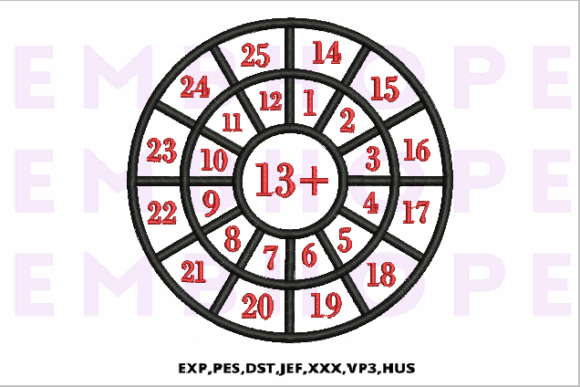
Review: Addition Wheel 13 for Craft Fairs
As an embroidery designer who has spent countless hours behind the hoop and even more time standing behind a booth table at local markets, I look at every new machine embroidery design through a specific lens. It is not just about whether the stitching looks clean on my monitor; it is about whether the design will stop a scrolling thumb on Instagram or catch the eye of a parent walking past my stall. Today, I am taking a close look at Addition Wheel 13, a playful educational motif intended for the school category. This review focuses on how this design translates from a digital file into a tangible, sellable asset for your handmade business.
First Impressions: Bright, Educational, and Engaging
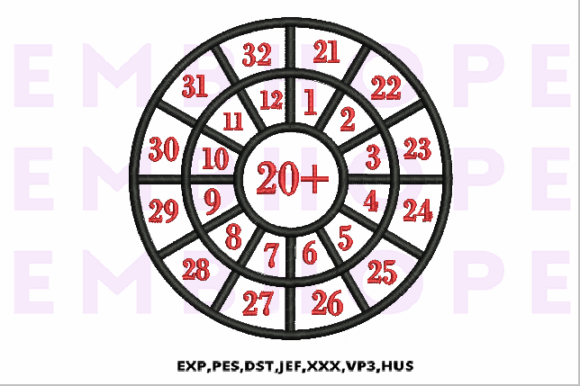
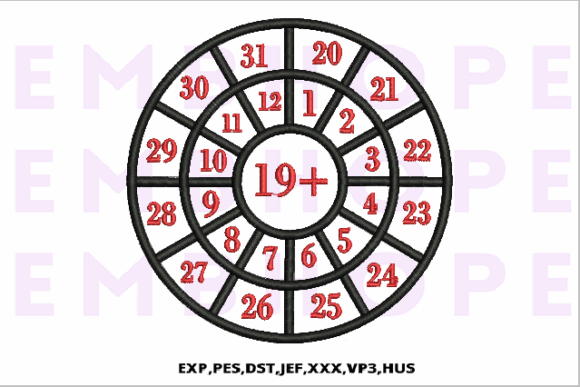
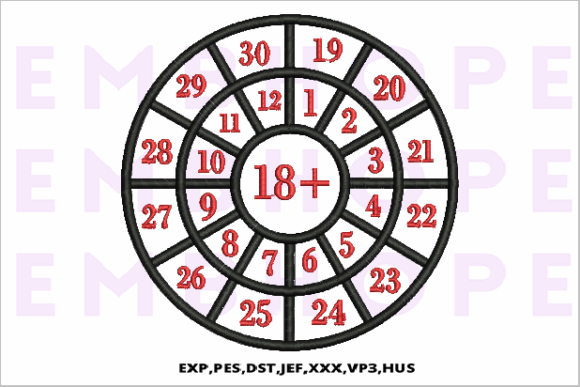
The moment I loaded the preview for Addition Wheel 13, the vibe was unmistakable. It feels bright, cheery, and inherently functional. In the world of School themed Embroidery, there is a fine line between boring textbook aesthetics and engaging visual aids. This design leans heavily into the latter. It does not try to be minimalist or rustic; instead, it embraces a bold, graphic style that screams "learning is fun." For a craft fair seller, this is a significant advantage. Parents and teachers are constantly looking for items that make education feel like play. The circular "wheel" concept suggests interactivity, even if the embroidered version is static, which adds a layer of cognitive interest for the buyer.
When evaluating the visual appeal, the design stands out as a focal point rather than a subtle accent. This means it demands space. It is not a tiny monogram for a cuff; it is a statement piece. This characteristic dictates exactly where it should be placed to maximize its impact on a craft fair product.
Product Applications: Where This Design Shines
To determine the commercial viability of Addition Wheel 13, I mentally placed it on various blanks commonly found in a maker’s inventory. Here is how it performs across different categories:
- Tote Bags and Market Bags: This is arguably the strongest application. A canvas tote with a large, colorful tote bag design featuring math wheels is an instant hit with parents of elementary-aged children. The flat surface of a tote allows the design to breathe, ensuring no details are lost in fabric folds. It transforms a generic bag into a specialized handmade product for school runs or library visits.
- Aprons and Smocks: An apron embroidery project using this motif creates a perfect gift for young chefs or budding scientists. The circular nature of the wheel complements the bib shape of many children’s aprons. It suggests that the wearer is ready to "mix up" some knowledge or recipes.
- Tea Towels and Kitchen Linens: While tea towel embroidery is popular, caution is needed here. The texture of waffle weave or terry cloth can distort small details. If you choose this route, opt for smooth flour sack towels. The bright colors of the addition wheel pop beautifully against white or cream backgrounds, making it a charming kitchen decor item for teacher gifts.
- Patches and Pouches: Creating an embroidered patch with this design allows for versatility. Customers can buy the patch separately to iron onto existing backpacks or jackets. However, ensure the stitch density is high enough to hold the shape without a backing fabric showing through excessively.
Production Practicalities for the Small Shop Owner
For the Etsy seller or boutique maker, production efficiency is key. Addition Wheel 13 appears to be designed for repeatability. The geometric nature of wheels and numbers usually translates well to digitizing, meaning fewer jumps and trims compared to free-form floral designs. This makes it a strong candidate for batch production during those long nights before a weekend market.
However, there are critical technical considerations. Because this is an educational design, clarity is paramount. If the numbers within the wheel are too small, they may become illegible blobs of thread, especially on textured fabrics. You must check the digital embroidery file specifications carefully. Since the provided description cuts off at "Please note tha," we do not have explicit data on recommended hoop size or exact stitch counts. Therefore, it is imperative that you test the design on scrap fabric before committing to expensive blanks.
Pay close attention to thread colors. To maintain the "bright and cheery" promise of the description, you need high-contrast threads. A navy blue wheel on a black shirt will vanish. Use color charts to simulate the final look. Furthermore, consider the stabilizer choice. For stretchy fabrics like t-shirt material used in pouches or caps, a cut-away stabilizer is non-negotiable to prevent puckering around the dense circular stitches.
Navigating Common Pitfalls
Even the best designs can fail if applied incorrectly. Here are the specific risks associated with Addition Wheel 13:
- Curved Surfaces: Embroidering this on a cap is tricky. The center of the wheel might distort if not hooped perfectly straight. If you attempt caps, use a frame cap holder and ensure the design is centered precisely on the front panel.
- Dense Stitch Areas: Wheels often have overlapping elements. Check for excessive build-up in the center. If the design is too dense, it can cause needle breaks or fabric tearing. Running a test stitch-out helps identify if you need to reduce density in your software.
- Small Lettering: If the wheel includes small plus signs or numbers, verify their legibility at the intended size. If they blur together, consider scaling up the design or simplifying the color palette to reduce visual noise.
Boosting Brand Consistency and Buyer Engagement
From a branding perspective, Addition Wheel 13 fits seamlessly into a "smart play" or "teacher appreciation" collection. It adds value to your booth display by offering a niche product that generic big-box stores do not carry. When customers see a high-quality finished product like a pillow cover or tote with this design, they perceive higher craftsmanship. It signals that your shop understands the specific needs of families and educators.
To leverage this online, create a printable mockup or take high-resolution photos of the design on a neutral background. Show the texture of the stitches. Use these images in your design assets for social media posts leading up to your next sale. Highlight the durability of the embroidery compared to printed ink, which fades after washing. This comparison often justifies a higher price point for your small shop product.
Final Verdict and Designer Notes
Addition Wheel 13 is a robust contender for any embroidery business targeting the back-to-school season or teacher gift market. Its strength lies in its clear purpose and cheerful aesthetic. However, success depends entirely on execution. Do not assume the file is ready for all fabrics. Test it. Check the licensing terms to confirm you have rights for commercial embroidery sales, as the description snippet was incomplete regarding legal usage.
Before you list this as a craft fair product, ask yourself: Does the thread contrast pop? Is the stabilizer appropriate for the fabric? Is the size large enough to be read from three feet away? If the answer to all three is yes, then this design is ready to help you turn thread into profit. Remember, in the handmade market, clarity and quality are what convert browsers into buyers. Treat this design with the technical respect it requires, and it will serve as a reliable staple in your seasonal collection.