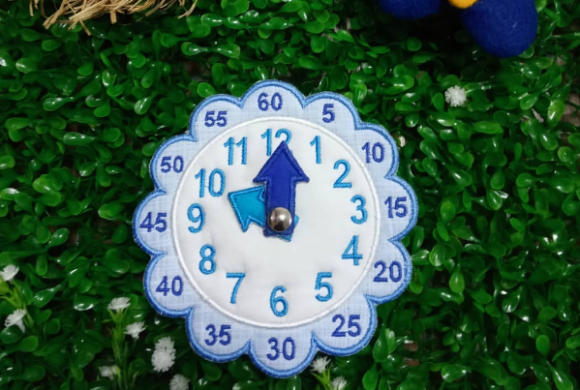
Reviewing the Learning Time Clock Embroidery Design
As an embroidery seller who spends hours scrolling through digital marketplaces, I am always on the lookout for designs that bridge the gap between cute aesthetics and practical utility. When I stumbled upon the Learning Time Clock on Creative Fabrica, my immediate thought was not just about how it would look stitched out, but how it would perform as a commercial product. For Etsy sellers and small shop owners, finding a machine embroidery design that serves a dual purpose—decorative and educational—is a rare find. This piece falls squarely into the School category, yet its appeal extends far beyond the classroom, making it a versatile asset for any craft business.
Visual Appeal and Market Positioning
The first thing I evaluate in any new embroidery file is its visual personality. Is it rustic? Minimal? Bold? The Learning Time Clock leans heavily into a playful and classic aesthetic. It feels approachable and friendly, which is exactly what parents look for when shopping for educational tools. The description notes that it has moving hands, a feature that transforms a static image into an interactive learning aid. This interactivity is a massive selling point. In a sea of flat, two-dimensional embroidered items, a clock with functional or simulated moving parts stands out. It suggests a level of craftsmanship and attention to detail that justifies a higher price point for the finished product.
For an Etsy seller, this design offers a unique angle. It is not just a pretty picture; it is a tool. This positions the design perfectly for the back-to-school season, but also makes it a strong contender for year-round sales as a personalized gift. The clean lines and likely clear numbering suggest that it will read well even at smaller sizes, which is crucial for thumbnail visibility on mobile devices.
Product Applications for Your Shop
When planning a new collection, I always ask: where does this design live best? The Learning Time Clock is incredibly versatile. Here is how I envision using it across different product lines:
- Custom Apparel: Imagine this stitched onto the front of a child’s sweatshirt embroidery project. It creates a fun, educational statement piece that parents love for school photos. It could also work beautifully on a denim jacket or a structured cap.
- Home Decor and Accessories: A tote bag design featuring this clock is perfect for library trips or school bags. The durability of embroidery makes it ideal for items that get daily use. Additionally, consider kitchen towel embroidery for a homeschooling family’s kitchen, adding a touch of whimsy to their daily routine.
- Baby and Nursery Items: While primarily for school-age children, the concept of time is often introduced early. A soft baby embroidery application on a blanket or a wall hanging could serve as a nursery decor piece that grows with the child.
- Patches and Appliques: If the design allows for it, creating an embroidered patch version allows customers to buy the motif separately and iron it onto existing gear. This lowers the entry price for buyers and increases your product range.
Enhancing Perceived Value for Buyers
One of the biggest challenges in online selling is conveying quality through a screen. The Learning Time Clock helps solve this by offering a tangible benefit. When a customer sees a clock that helps learn minutes and hours, they are not just buying thread on fabric; they are buying a solution to a parenting challenge. This emotional connection makes the item more giftable. It becomes an obvious choice for birthdays and Christmas, as mentioned in the product description.
From a photography standpoint, this design is a dream. You can stage photos with real clocks, books, and pencils to create a cohesive "study time" vibe. These lifestyle shots perform exceptionally well on social media and in printable mockup previews. The interactive nature of the moving hands gives you content ideas for video listings, showing the hands in motion, which significantly boosts engagement and conversion rates.
Practical Seller Notes and Technical Considerations
Before adding any digital embroidery file to your inventory, due diligence is required. As an experienced seller, I recommend the following steps specifically for the Learning Time Clock:
- Test Stitch-Outs: Always stitch a sample on the fabric you intend to sell. Check the stitch density. If the numbers are small, ensure they do not bunch up or become illegible. Educational designs must be readable to be valuable.
- Hoop Size Verification: The product page should specify the hoop size compatibility. Ensure the design fits standard hoops used by most home embroiderers, such as 4x4 or 5x7 inches. If the moving hands require specific placement, mark your hoop clearly.
- Stabilizer Selection: Because this design may have multiple layers or moving parts, choose the right stabilizer. A cut-away stabilizer might be necessary for stretchy fabrics like sweatshirts to prevent distortion over time.
- Thread Color Choices: Test different thread colors to see what offers the best contrast. High contrast is essential for a clock face. Classic black on white is safe, but consider bold primary colors for a more playful, modern look that appeals to children.
- Licensing Check: Always review the license terms on Creative Fabrica before selling. Confirm that the license covers commercial embroidery and physical goods. Understanding these terms protects your business and ensures you are operating within legal boundaries.
Strategic Marketing for School and Gift Seasons
The categorization of this item under School does not limit its potential. In fact, it provides a clear marketing hook. You can create bundles, such as a "First Day of School" kit featuring the clock tote bag and a matching pencil case. During the holiday season, position it as the ultimate educational stocking stuffer. The description highlights it as a creative Christmas gift, and leveraging this keyword in your titles and tags can drive significant traffic.
For those running a craft business, consistency is key. Use the Learning Time Clock to build a series of educational embroidery designs. If this one sells well, look for similar files on Creative Fabrica to create a cohesive collection. This encourages repeat customers who want to match items for their children or students.
Final Thoughts on Commercial Viability
In the competitive world of handmade products, differentiation is everything. The Learning Time Clock offers a distinct advantage by combining decoration with function. It is not just another floral motif or animal character; it is a tool that empowers children. For the embroidery seller, this means a product that speaks to both the heart and the mind of the buyer. It is professional, memorable, and highly photogenic.
By focusing on high-quality stitch-outs, clear photography, and strategic positioning as a helpful educational aid, this design can become a staple in your shop. Whether you are creating custom apparel, home decor, or accessories, the Learning Time Clock provides a solid foundation for a successful product line. Remember to verify all technical details on the Creative Fabrica product page, test thoroughly, and let the unique features of this design shine in your marketing. With the right approach, this simple clock could tick its way into becoming one of your best-selling items.