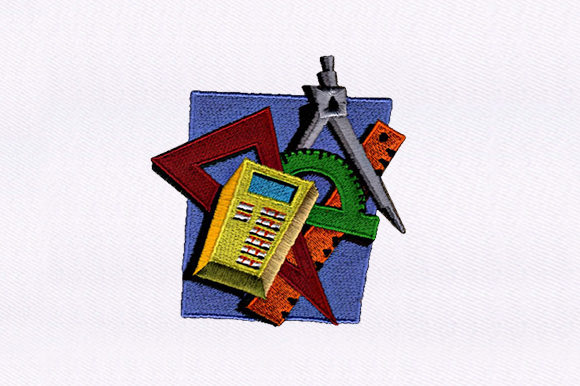
Review: Stationery Tools Design for Boutique Sweatshirts
As an embroidery designer who has spent years digitizing and stitching for small clothing brands, I approach every new machine embroidery design with a critical eye. It is not just about whether the file opens; it is about how that design translates onto fabric, survives a wash cycle, and ultimately sells a product. Recently, I evaluated the Stationery Tools Design for an upcoming limited drop of premium sweatshirts. This review breaks down why this specific asset works exceptionally well for the current market of cozy, academic-inspired apparel.
First Impressions and Aesthetic Mood
When I first loaded the digital embroidery file into my editing software, the layout immediately struck me as balanced and intentional. The theme revolves around classic school supplies, but rather than looking like a childish clip-art collection, the arrangement feels curated and nostalgic. For a boutique brand targeting creative entrepreneurs or students, this hits the perfect note between "cute" and "sophisticated."
The mood is distinctly rustic yet playful. It evokes the feeling of a well-loved desk or a planner filled with ideas. When visualized on a neutral cream or oatmeal sweatshirt, the design offers a warm, inviting aesthetic that screams "cozy season." However, do not mistake its charm for weakness; the lines are clean enough to feel modern, making it versatile enough for both oversized hoodies and fitted crewnecks. It avoids being overly decorative, leaning instead into a minimal, graphic style that reads well from a distance.
Fabric Compatibility and Color Strategy
One of the biggest challenges in sweatshirt embroidery is managing fabric texture. Fleece and French terry have a looped surface that can swallow fine details if the stitch count is too low or the density is off. In my assessment of the Stationery Tools Design, the elements appear robust enough to stand out against thicker materials.
For dark fabrics like charcoal or navy, I recommend using high-contrast thread colors. Think bright whites, sunny yellows, or vibrant teals to make the stationery icons pop. Conversely, on pastel colors, a monochromatic approach using varying shades of a single color family can create a subtle, tonal look that feels very high-end. The design does not rely on tiny text, which is a relief; small-size readability is often the downfall of school-themed embroidery, but here the icons (scissors, rulers, pencils) remain distinct even when scaled down for a chest pocket placement.
Placement Versatility for Custom Apparel
This design shines because of its flexibility. Here is how I envision deploying it across a small shop product line:
- Chest Logo: Centered on the left chest of a heavyweight hoodie, it acts as a subtle brand marker without overwhelming the garment.
- Sleeve Accent: Placed vertically along the forearm, the linear nature of tools like rulers or pencils works beautifully as a sleeve stripe alternative.
- Back Detail: While it might be too small for a full-back statement on its own, it could serve as a central motif surrounded by custom lettering for a larger custom apparel piece.
- Hem Tag: Scaled down significantly, a single icon from the set could work as a cute detail near the bottom hem.
Technical Considerations for Production
Before running this on a commercial machine, there are practical concerns every Etsy seller and apparel decorator must address. The provided file formats are extensive, including DST, PES, EXP, JEF, and VIP, among others. This compatibility is crucial for shops running mixed fleets of machines. However, since specific technical data like exact stitch count or recommended hoop size was not explicitly detailed in the base description, I strongly advise checking the accompanying documentation or preview images before hooping.
Regarding stitch density, designs featuring solid shapes (like the body of a pair of scissors) can sometimes pull on stretchy knit fabrics. To mitigate this, I always recommend using a cut-away stabilizer rather than tear-away for sweatshirts. This ensures the finished product maintains its shape after multiple washes. The durability of the design seems strong enough for commercial embroidery use, provided the tension is adjusted correctly for the fleece weight.
Enhancing Brand Identity and Value
In the world of handmade goods, presentation is everything. Using a cohesive design like Stationery Tools Design helps build immediate visual recognition. Customers associate consistent imagery with professionalism. When you pair this embroidery with high-quality printable mockup photos for your online listings, you elevate the perceived value of the item. It stops being just a sweatshirt and becomes a lifestyle statement.
For those selling design assets or finished garments, this type of imagery resonates deeply with teachers, planners, writers, and artists. It taps into a specific niche within the broader School category without feeling generic. By offering this on premium blanks, you justify a higher price point. Buyers trust brands that pay attention to detail, and a well-executed embroidery job signals that care.
Final Verdict for Creative Entrepreneurs
The Stationery Tools Design is a standout choice for anyone looking to expand their autumn or back-to-school collections. It balances the whimsical nature of stationery with the structural requirements of machine embroidery. Whether you are decorating for a local boutique or building a global Etsy store, this design offers the versatility needed to create diverse products.
Remember to test your thread colors on scrap fabric first to ensure the contrast works for your specific palette. Pay attention to your stabilizer choice to handle the thickness of hoodies. If you verify the hoop requirements and scale the design appropriately, you will have a best-seller on your hands. It is rare to find a machine embroidery design that feels both nostalgic and contemporary, but this one manages to bridge that gap perfectly.
Ultimately, the success of this project lies in the execution. Treat the Stationery Tools Design not just as a file to be stitched, but as a core component of your brand's story. With the right fabric and careful stitching, it will undoubtedly enhance customer engagement and drive sales for your handmade product line.